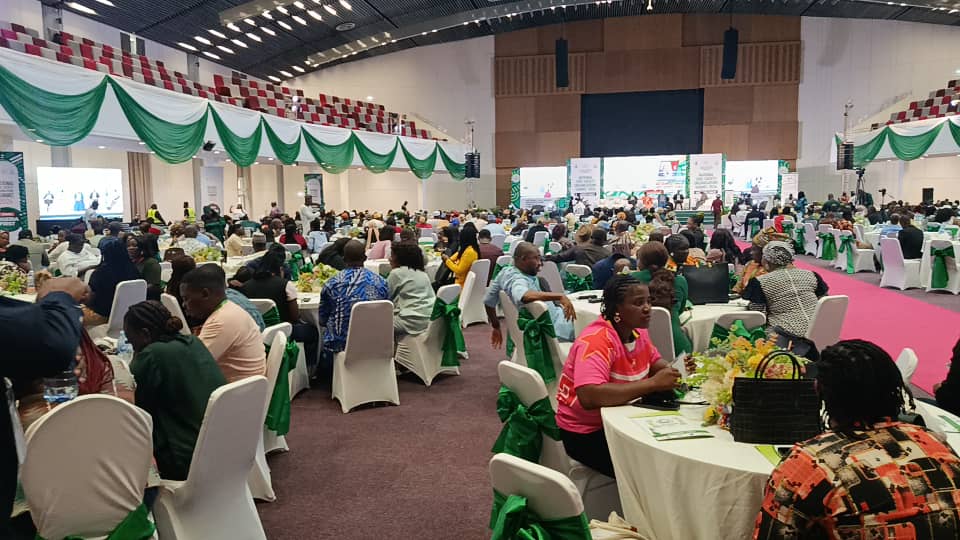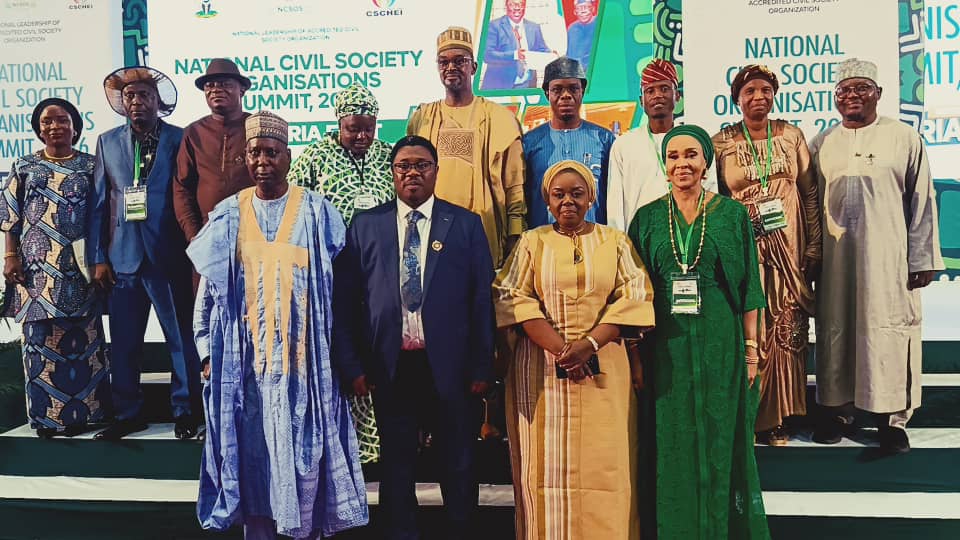
ABUJA — The 2026 National Civil Society Organisations Summit in Abuja brought together civil society organisations, government representatives, development partners, policy experts and other stakeholders around a central question: how can citizens’ concerns and community-level realities translate more effectively into public policy, implementation and measurable development outcomes?
Held on October 2 at the Bola Ahmed Tinubu International Conference Centre, Abuja, the summit, organised around the “Nigeria First” agenda, moved beyond broad calls for national development to examine the practical role of civil society in governance, democratic participation, food security, climate action, human rights and institutional accountability.
The summit also provided a platform for government and civil society to discuss a more structured relationship in which citizens can contribute information and evidence to policymaking while also playing a stronger role in monitoring public programmes.
From grassroots realities to government policy
Representing President Bola Ahmed Tinubu, Secretary to the Government of the Federation, Senator George Akume, said the Federal Government would establish a quarterly Government–Civil Society Policy Dialogue Forum to strengthen citizens’ participation in policy formulation, implementation and evaluation.
The proposed forum is intended to provide a structured channel for evidence-based advocacy and enable community-level concerns to inform government decisions. The President also outlined greater collaboration with accredited CSOs on public finance transparency, budget tracking and monitoring of humanitarian and grassroots interventions.
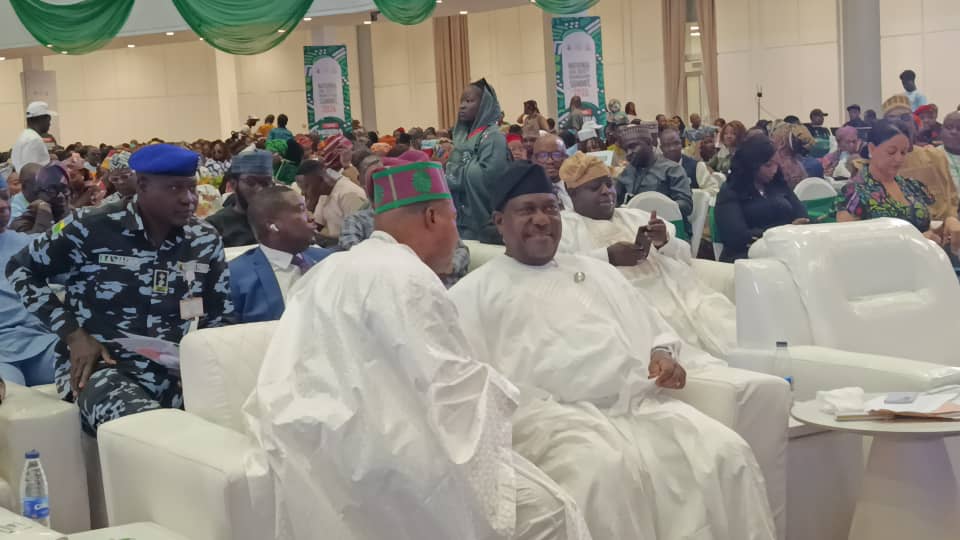
The development gives greater significance to the summit’s repeated emphasis on grassroots information.
National Convener of the summit and Director-General of the Civil Society Organisations on Community Advancement and Humanitarian Empowerment Initiative (CSCHEI), Ambassador Kunle Yusuff, highlighted the information available to civil society organisations working within communities, arguing that such knowledge can help government identify emerging challenges and design more responsive interventions.
The message running through the discussions was clear: development policies are more likely to respond to citizens' realities when communities are not simply recipients of policy, but contributors to the information and evidence that shape it.
Beyond policy: who monitors implementation?
Several technical discussions examined what happens after policies and budgets are announced.
Sessions on sustainable development, food security and climate finance considered the challenges facing farmers, vulnerable communities and local development initiatives, while speakers stressed the need for stronger climate resilience, sustainable agriculture and effective use of development resources.
The discussions also highlighted the importance of monitoring public spending and ensuring that resources allocated to development programmes reach the intended beneficiaries.
This placed civil society in a dual position — not only as an advocate for citizens but also as a potential source of community-level information and an accountability partner capable of identifying gaps between policy commitments and implementation.
Development cannot be separated from security and institutions
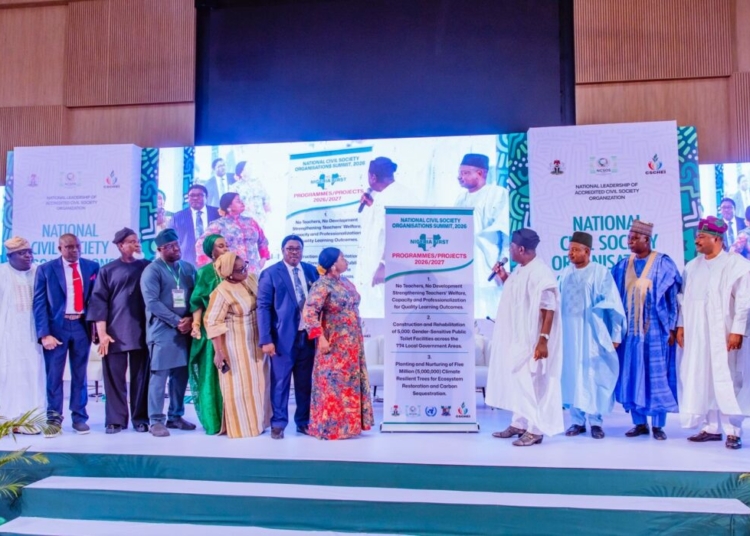
The summit's discussions on security, peace, democratic governance and the rule of law further broadened the meaning of national development.
Speakers stressed the importance of institutions that protect rights, resolve disputes peacefully and provide citizens with accessible mechanisms for justice and accountability.
The sessions also considered the experiences of women, children, persons with disabilities and other vulnerable groups, with emphasis on meaningful participation, dignity, inclusion and protection.
The underlying argument was that development cannot be measured only by economic growth. It also depends on whether citizens can participate meaningfully in society, access their rights and have confidence in the institutions responsible for protecting them.
Civil society and the 2027 elections
Electoral integrity was another major component of the summit.
President Tinubu urged CSOs to contribute to the 2027 electoral process through voter education, election monitoring and advocacy for electoral reforms, while stressing the importance of cooperation among civil society, the judiciary, law enforcement agencies, the media and citizens.
Other discussions at the summit addressed concerns around voter education, electoral spending, vote buying, participation of vulnerable groups and the need to strengthen public confidence in democratic institutions.
However, the electoral conversation formed only one part of a broader development agenda that also included food security, climate action, institutional accountability and social inclusion.
From dialogue to measurable action
A significant feature of the summit was the effort to move the conversation from advocacy towards structured collaboration and monitoring.
Reports from the summit indicate that proposed outcomes include an Abuja Declaration on Nigeria First, a National CSOs Monitoring Framework and a Sustainable Partnership Compact.
The proposed frameworks point towards a model in which government provides policy direction and implementation, civil society contributes community-level information and monitoring, while development partners and the private sector can provide additional technical and financial support.
For civil society, the challenge will therefore extend beyond making recommendations. The effectiveness of such a partnership will ultimately depend on whether information from communities reaches decision-makers, whether commitments are tracked and whether citizens can see tangible results.
A partnership that must reach communities
The 2026 National Civil Society Organisations Summit presented civil society not simply as a critic of government, but as a potential partner in identifying problems, shaping solutions and monitoring implementation.
For Nigeria’s development agenda, the more important test may now be what happens after the conference — whether the proposed dialogue mechanisms, monitoring frameworks and partnerships can translate conversations in Abuja into sustained action in communities across the country.
As the “Nigeria First” conversation continues, the central task remains turning national commitments into practical outcomes that citizens can see, experience and hold institutions accountable for.